
Snow Removal Contracts: What Should You Look For?
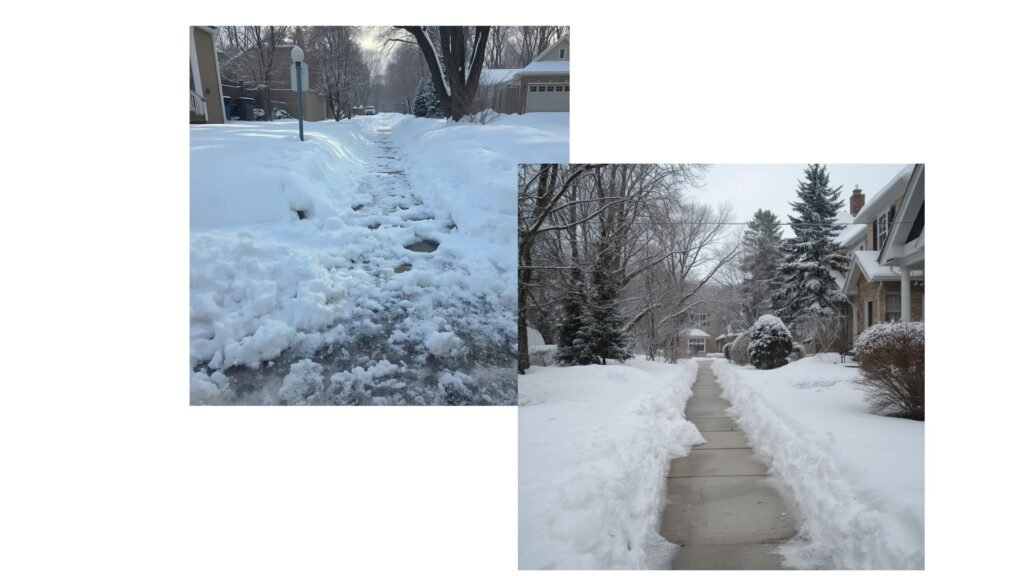
A snow removal contract can look straightforward until the first major storm arrives.
Terms such as “seasonal service,” “snowfall trigger” and “ice control” can mean different things depending on the agreement. Two companies may quote very different prices because they aren’t actually offering the same level of service.
Before signing a snow removal contract, it’s worth understanding exactly what is—and isn’t—included.
1. What Triggers Snow Removal?
One of the first things to check is when service actually begins.
Some agreements may specify a minimum accumulation of snow before service is triggered. Others may use different criteria or provide service according to a particular schedule.
Look for clear language explaining:
- How much snow must accumulate before service begins
- How snowfall is measured
- Whether drifting snow is treated differently
- What happens with repeated small snowfalls
- Whether different areas of the property have different requirements
Don’t assume that “snow removal included” means someone automatically arrives after every trace of snow.
2. Exactly Which Areas Are Included?
A contract should clearly identify the areas that will be maintained.
For a residential property, that might include some combination of:
- Driveway
- City sidewalk
- Front walkway
- Steps
- Side entrance
- Path to a garage
- Other regularly used access areas
Commercial properties may also include parking areas, pedestrian routes, entrances, loading areas and other designated spaces.
If an area isn’t clearly included in the agreement, ask about it before signing.
3. Is the Agreement Seasonal or Pay-Per-Visit?
Make sure you understand how you’re being charged.
With pay-per-visit or pay-per-push service, charges are generally connected to individual clearing events or visits according to the agreement.
With a seasonal contract, the customer typically pays an agreed amount for service during a defined winter period, subject to the contract’s terms and limitations.
Neither approach is automatically better. What matters is understanding which model you’re buying and what is included in the price.
4. What Does “Per Push” Actually Mean?
This term deserves particular attention because it can easily be misunderstood.
“Per push” generally refers to charging for individual snow-clearing service events rather than one fixed seasonal price. However, the exact definition should be stated in the agreement.
For example, during a prolonged storm, determine whether multiple visits could result in multiple charges.
Don’t rely on the phrase alone. Read how the contract defines the service and billing method.
5. How Are Long or Heavy Storms Handled?
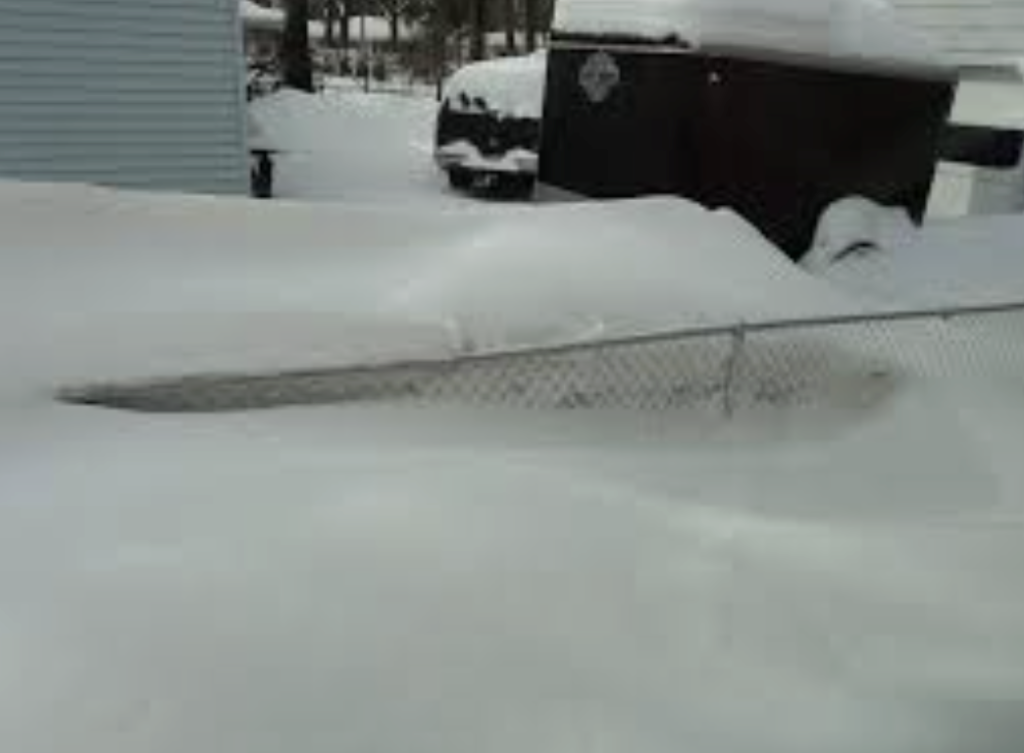
A prolonged snowfall may require a different approach from a short overnight storm.
Some properties need to remain accessible while snow is still falling. In other situations, clearing may occur after conditions improve.
The agreement should help you understand what happens when:
- Snow continues for many hours
- Accumulation becomes unusually heavy
- More than one visit is required
- Wind causes significant drifting
- Previously cleared areas fill with snow again
This can be particularly important in Regina, where wind can redistribute loose snow after an area has already been cleared.
6. What About Snow Drifting Back In?
Fresh snowfall isn’t the only way a driveway or sidewalk can become covered.
Wind can move loose snow across a property and create new drifts after clearing has been completed.
Check whether your agreement explains how drifting is handled and whether additional clearing caused by drifting is included or treated as an additional service.
7. Is Ice Control Included?
Don’t assume that snow removal automatically includes de-icing.
Snow clearing and ice control are different services.
If you’re concerned about slippery driveways, sidewalks, entrances or parking areas, determine whether the agreement includes:
- De-icing treatments
- Traction materials
- Treatment after freezing rain
- Treatment following melting and refreezing
- Additional charges for materials or applications
The agreement should also make clear which areas are treated.
8. Where Will the Snow Be Placed?
This may not seem important early in the season when there’s plenty of room.
After repeated snowfalls, it can become very important.
Find out where snow will normally be placed and what happens if those storage areas become full.
Large accumulations may eventually require snow to be pushed farther back, relocated within the property or physically hauled away. Those services may not be included in ordinary snow clearing.
9. Is Snow Hauling Included?
Pushing snow to the edge of a property and hauling snow away are two very different operations.
Snow hauling typically requires additional equipment, labour and somewhere appropriate to take the snow.
If your property has limited snow-storage space, ask what happens when there’s nowhere practical to put additional snow.
Don’t assume removal from the driveway means removal from the property.
10. What Does the Contract Say About Timing?
Be cautious about assuming that snow will always be cleared at a particular hour unless the agreement specifically guarantees it.
Timing can be affected by storm duration, snowfall amounts, road conditions, wind and the number and type of properties being serviced.
Instead, look for clear information about how service timing or priorities are handled.
For a business or other property that must be accessible at particular times, this becomes especially important.
11. Who Is Responsible for Moving Vehicles and Obstacles?
Snow-clearing equipment can’t effectively clear an area occupied by vehicles, garbage bins or other obstacles.
The agreement may place responsibility on the property owner or occupant to keep designated clearing areas accessible.
Check whether there are instructions concerning:
- Parked vehicles
- Garbage and recycling carts
- Gates
- Trailers
- Extension cords
- Temporary structures
- Other objects within clearing areas
Knowing these responsibilities beforehand can prevent misunderstandings later.
12. What About Property Damage?
Read the section dealing with property damage carefully.
Snow can hide driveway edges, curbs, landscaping, decorative items and other features. Contracts may explain how damage is reported, what types of damage are covered and what responsibilities the property owner has for marking hidden obstacles.
Before the season begins, it’s a good idea to identify and mark anything that could become difficult to see under snow.
13. Does the Contractor Carry Insurance?
Ask whether the contractor carries appropriate business liability insurance for the work being performed.
Insurance doesn’t mean every possible incident is automatically covered, but it is an important consideration when allowing someone to operate snow-removal equipment on your property.
For commercial properties or property managers, documentation requirements may be more extensive.
14. How Long Does the Contract Last?
“Seasonal” should have actual dates attached to it.
Check:
- When coverage begins
- When it ends
- Whether service outside those dates costs extra
- Whether the agreement renews automatically
- What happens if snow arrives unusually early or late
Knowing the exact service period avoids assumptions at either end of the winter.
15. What Are the Cancellation Terms?
Before signing, find out what happens if you need to cancel.
Look for information about:
- Cancellation notice
- Refunds, if any
- Amounts already paid
- Early termination fees
- Automatic renewal
- Changes to the property or service requirements
It’s much easier to understand these terms before signing than after circumstances change.
16. How and When Will You Be Charged?
The contract should make the payment arrangement clear.
Depending on the service, that could involve a seasonal payment, instalments, monthly billing or charges following individual service visits.
Check for possible additional charges as well, particularly for services such as snow hauling, extraordinary accumulation, additional visits or ice-control materials.
17. Compare the Service, Not Just the Price
The lowest quote isn’t necessarily the least expensive option, and the highest quote isn’t necessarily the most complete.
When comparing snow removal contracts, put the actual services side by side.
One quote might include sidewalks and ice control while another covers only the driveway. One may include certain repeat visits while another charges separately.
A useful comparison asks:
What am I receiving for this price?
—not simply:
Which number is lowest?
Get the Details in Writing
A good snow removal agreement should reduce uncertainty rather than create it.
Before signing, make sure you understand the service trigger, areas covered, pricing method, storm procedures, ice-control provisions, snow-storage arrangements, service period, cancellation terms and your own responsibilities as the property owner.
If something important was discussed but doesn’t appear in the agreement, ask for clarification before signing.
A few extra minutes spent reading the contract can prevent a great deal of confusion when the first major Regina snowfall arrives.
For information about preparing your property before snow-clearing season, see How to Prepare Your Driveway & Property for Snow Removal.
For more practical winter information, visit Regina Winter Resources.
Ready to compare? See current Regina snow removal pricing — per-visit and seasonal — or request a free quote and get an exact number for your property.
or call 639-739-4440