
Regina Weather & Snow Removal
Snow removal isn’t determined by snowfall depth alone.
In Regina, wind, drifting snow, changing temperatures, freezing rain and the length of a storm can all affect how snow and ice behave around a property. A driveway that was cleared in the morning may look very different several hours later—even when little additional snow has actually fallen.
Understanding these conditions helps explain why winter snow removal isn’t always as simple as waiting for the snow to stop and clearing it once.
Wind Can Move Snow Long After It Falls
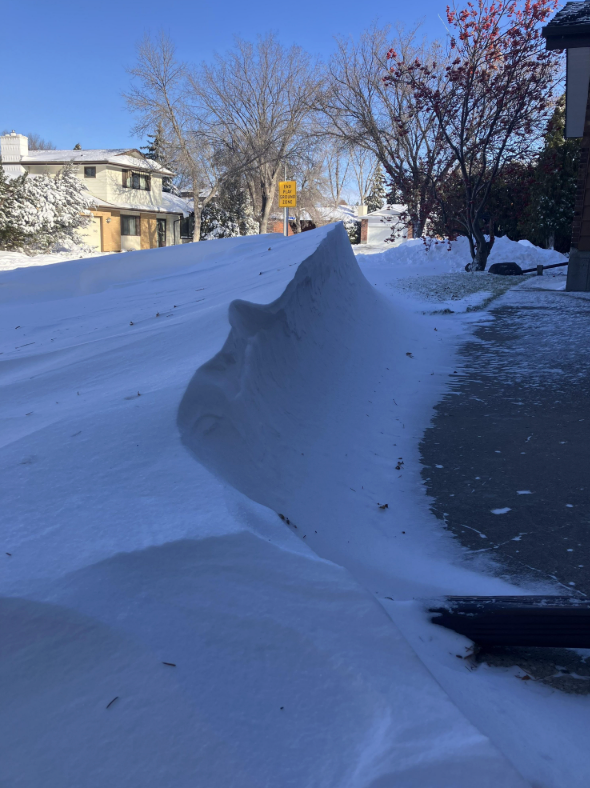
Wind is one of the biggest variables in winter snow clearing.
Loose snow can be picked up and deposited in driveways, across sidewalks, around buildings and in other sheltered areas. This can create drifts even after those areas have already been cleared.
The amount of drifting can vary considerably from one property to another.
Fences, buildings, hedges, open fields and the direction of the wind can all influence where drifting occurs. One side of a property may remain relatively clear while another repeatedly fills with windblown snow.
This is why snowfall totals don’t always tell the whole story about how much clearing a particular property will require.
A Cleared Area May Need to Be Cleared Again
During windy conditions, snow removal can sometimes feel temporary.
A driveway or sidewalk may be completely cleared and then partially covered again as loose snow moves across the property.
Regina’s sidewalk-clearing rules even recognize this issue. The City notes that high winds can create new drifts across sidewalks outside of a specific snowfall event.
For property owners, that means it’s worth checking sidewalks and important access routes again after periods of strong wind rather than assuming an earlier clearing will remain unchanged.
Long Snowfalls Can Change the Approach
Not every storm arrives as a short burst of snow followed by clear weather.
When snow continues for many hours, waiting until every flake has stopped can allow a substantial amount to accumulate.
In some situations, clearing partway through a longer event can make the final cleanup more manageable. In others, it may make more sense to wait until conditions improve.
The best approach depends on how quickly snow is accumulating, wind conditions, the areas that need to remain accessible and whether the property needs ongoing vehicle or pedestrian access.
Light Snow Can Become Harder to Move
Fresh snow is often easiest to clear before it has been driven or walked on repeatedly.
Vehicle tires and foot traffic can compress snow against the surface. Once packed, it can become more difficult to remove cleanly with a shovel, snowblower or other equipment.
Wind can also change the character of accumulated snow by creating firmer drifts.
Clearing frequently used areas before snow becomes heavily packed can reduce the amount of difficult cleanup later.
Temperature Changes Can Create Ice
Snow on the ground doesn’t always stay dry and powdery.
Sunlight, warmer daytime temperatures, heat from buildings and vehicles, or a temporary rise in temperature can cause some snow to melt.
If temperatures then fall, that moisture can freeze.
This is one reason a driveway or walkway can become slippery even when no new snow has fallen.
Areas around downspouts, entrances, low spots and places where meltwater crosses a walking surface deserve particular attention because repeated melting and refreezing can create persistent icy areas.
Freezing Rain Creates a Different Problem
Freezing rain isn’t simply another form of snowfall.
Instead of accumulating as snow that can be shoveled or blown away, freezing rain can create a layer of ice on pavement, steps, sidewalks and other exposed surfaces.
That changes the job from primarily snow removal to ice management.
Mechanical removal may help in some circumstances, while de-icing or traction materials may be appropriate in others. The condition of the surface and temperature both matter when deciding how to deal with the ice.
Extreme Cold Changes Working Conditions
Very cold weather affects more than personal comfort.
Equipment can be harder to start or operate, batteries can lose performance, and outdoor work becomes more demanding.
Cold conditions also make it especially important to dress appropriately, limit unnecessary exposure and recognize that a snow-clearing job may take longer than it would under milder conditions.
There is rarely a good reason to rush winter work simply because a driveway needs clearing.
Snowbanks Change Throughout the Winter
Early in the season, finding somewhere to put snow is usually easy.
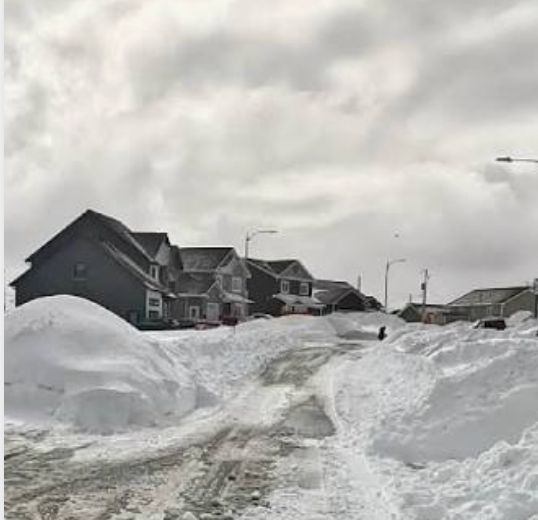
After repeated snowfalls, those storage areas can begin to fill.
Snowbanks along driveways and parking areas may become wider or taller, leaving less room for the next snowfall. Eventually, snow may need to be pushed farther back or relocated rather than simply added to the existing pile.
Large snowbanks can also affect visibility near driveways and intersections, so placement matters throughout the season—not just during the first few snowfalls.
City Plowing Can Affect Driveway Entrances
Street plowing introduces another winter condition homeowners may encounter: a ridge of snow near the end of the driveway.
These ridges form as plows move snow along the roadway. Depending on the amount and condition of the snow, the material left at a driveway entrance may be heavier or more compacted than the snow that originally fell on the driveway.
That can mean the end of the driveway requires additional attention even after the rest of the property has already been cleared.
Spring-Like Days Don’t Mean Winter Is Finished
A warmer winter day can temporarily reduce snow and ice, but it can also introduce new problems.
Melting snow may flow across driveways and sidewalks or collect in low areas. If temperatures fall again before the water drains away, those areas can refreeze.
Keeping drainage paths reasonably clear and watching where meltwater collects can help identify places likely to become icy later.
The Forecast Is Only Part of the Picture
Weather forecasts are useful for planning, but actual conditions on a property still matter.
Two homes in the same Regina neighbourhood can experience different amounts of drifting because of their orientation, nearby buildings, fences and surrounding open space.
Similarly, a shaded walkway may remain icy while a sunny driveway nearby is dry.
Good winter property maintenance means paying attention to both the forecast and what is actually happening outside your door.
Regina Winter Weather Requires Flexibility
There isn’t one snow-clearing routine that works perfectly for every storm.
Sometimes the main problem is fresh snow. Sometimes it’s drifting. Another day it may be packed snow, freezing rain or meltwater that has refrozen overnight.
Understanding how those conditions differ makes it easier to decide what actually needs attention rather than treating every winter weather event the same way.
For information about Regina’s requirements for keeping adjoining City sidewalks clear, see our Regina Sidewalk Snow-Clearing Bylaw guide.
For more practical information about winter property maintenance, visit Regina Winter Resources.
call 639-739-4440